


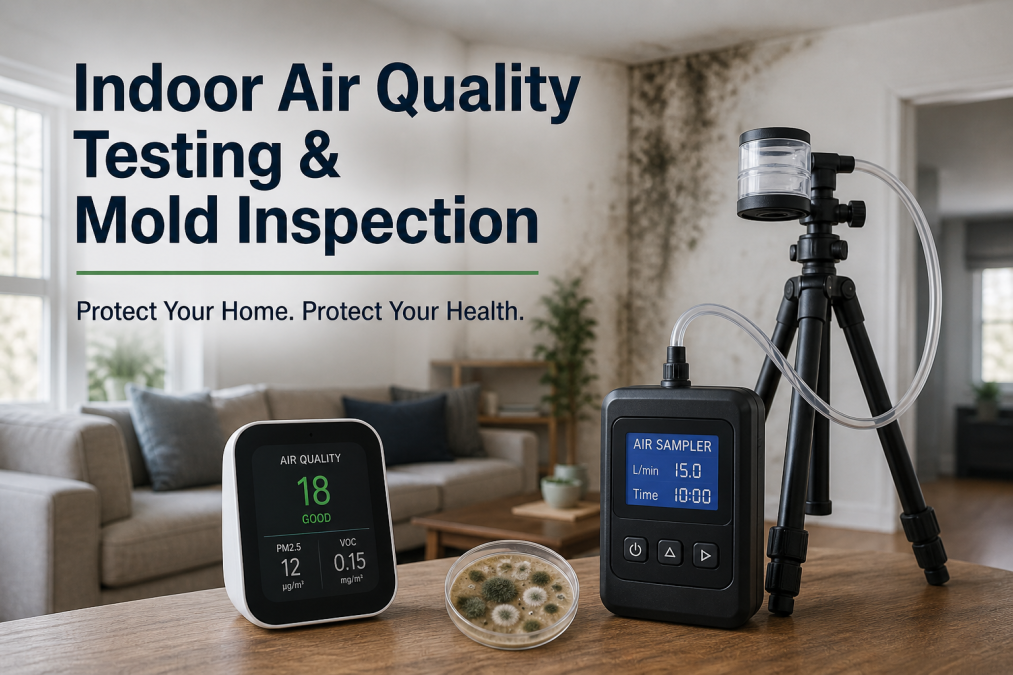
Introduction
Living in Florida has many benefits. The sunshine, warm weather, and coastal living make it a great place to call home. But Florida homeowners also face serious risks.
One of the biggest risks is water damage from hurricanes, storms, and flooding.
After a storm, many homes look fine on the outside. But inside, hidden problems can grow fast. Two of the most important things to check after storm damage are:
- Mold Inspection
- Indoor Air quality testing
These tests help protect your home and your health.
In this guide, you will learn why these tests matter so much in Florida, especially after hurricanes and flooding, and how they can help you avoid expensive damage and health problems.
Why Florida Homes Are at Higher Risk
Florida has a warm and humid climate. This makes it a perfect place for mold to grow.
After hurricanes and heavy rains, the risk becomes even higher.
Here’s why:
- Water can enter homes during storms
- Humidity stays high year-round
- Drying out homes can take time
- Floodwater can carry dirt and bacteria
- Power outages can stop air conditioning
All of these things help mold grow quickly.
Mold can start growing in as little as 24 to 48 hours after water damage.
That is why testing is so important.
What Is Mold Testing?
Mold testing is a way to find mold inside your home.
Mold is a tiny living thing that grows in wet places. You often cannot see it at first.
It can grow:
- Behind walls
- Under floors
- In ceilings
- Inside air vents
- In carpets
- Around windows
A mold inspector collects samples from your home. These samples are sent to a lab.
The lab checks:
- If mold is present
- What type of mold it is
- How much mold is in the home
This helps you understand how serious the problem is.

Why Mold Testing Is Critical After Hurricanes and Flooding in Florida
After a hurricane or flood, mold is one of the biggest hidden dangers.
Even if your home looks dry, water may still be trapped inside walls or floors.
Here’s why mold testing matters after storms:
1. Hidden Water Damage
Floodwater can get inside walls and under floors where you cannot see it.
2. Fast Mold Growth
Florida heat and humidity help mold grow very quickly.
3. Health Risks
Mold can cause:
- Sneezing
- Coughing
- Headaches
- Asthma flare-ups
- Eye irritation
4. Insurance Claims
Mold testing reports can help support insurance claims after storm damage.
5. Property Value
Untreated mold can lower your home’s value.
Testing helps you catch problems early before they spread.
What Is Air Quality Testing?
Indoor Air quality testing checks the air you breathe inside your home.
After a hurricane or flood, air quality can become unsafe without you knowing it.
Air testing looks for:
- Mold spores
- Dust
- Chemicals
- Bacteria
- Smoke particles
- Moisture in the air
You cannot always see or smell these things, but they can still affect your health.

Why Indoor Air Quality Testing Matters in Florida Homes
Florida homes face special air quality problems because of heat, humidity, and storm damage.
Indoor Air quality testing is important because:
1. Mold Spreads Through Air
Even if mold is hidden, its spores can float in the air you breathe.
2. Storm Damage Can Release Contaminants
Floodwater can bring bacteria and chemicals into your home.
3. Closed Homes After Storms
Homes sealed during hurricanes can trap dirty air inside.
4. Health Symptoms Can Be Hard to Explain
Poor air quality can cause:
- Constant coughing
- Fatigue
- Sinus issues
- Headaches
Many people do not realize their home is the cause.
How Mold and Air Quality Testing Work Together
Mold testing and air quality testing are connected.
Think of it like this:
- Mold testing finds where mold is growing
- Air testing shows what you are breathing
After a hurricane or flood, both tests are important because:
- Mold spreads through air
- Moisture hides inside structures
- Air can carry contamination through the whole home
Together, they give a complete picture of your home’s safety.
What Happens During Mold Testing?
A professional mold inspector will:
- Inspect your home visually
- Look for water damage
- Check humid areas
- Collect air samples
- Take surface samples if needed
- Send everything to a lab
- Give you a full report
The report will show if mold is present and how serious it is.
What Happens During Air Quality Testing?
Indoor Air quality testing includes:
- Using air pumps in different rooms
- Collecting air samples
- Testing particles in a lab
- Measuring safety levels
- Comparing results to normal indoor air standards
You will get a report explaining what is in your air and whether it is safe.
Common Places Mold Grows After Floods in Florida
After storms, mold can grow in many hidden places, including:
- Drywall
- Insulation
- Carpets
- Furniture
- Cabinets
- Attics
- HVAC systems
Even if surfaces are cleaned, moisture inside walls can still feed mold.
Signs You May Have Mold After a Hurricane or Flood
Watch for these warning signs:
- Musty or damp smell
- Dark spots on walls or ceilings
- Peeling paint or wallpaper
- Allergies that get worse at home
- Water stains
- Recent flooding or roof leaks
If you notice these signs, testing is very important.
Signs You May Have Poor Air Quality in Your Home
Poor air quality can be hard to notice, but common signs include:
- Headaches that improve outside
- Sneezing or coughing indoors
- Feeling tired at home
- Eye irritation
- Trouble breathing
- Musty air smell
After hurricanes, these symptoms often increase.
Why Timing Matters After Storm Damage
In Florida, timing is everything.
Mold can start growing within 24–48 hours after water exposure.
That means:
- Waiting too long increases damage
- Insurance claims may be harder
- Health risks increase
- Repairs become more expensive
Testing early helps stop problems before they spread.
Can You Rely on Just Looking for Mold?
No. Mold is often hidden.
It can grow:
- Behind walls
- Under tile
- Inside AC systems
- In insulation
Just because you cannot see it does not mean it is not there.
That is why professional testing is important after storm damage.
How to Improve Air Quality After a Hurricane
If your home was affected by flooding or storms, you can improve air quality by:
- Running dehumidifiers
- Using air purifiers
- Replacing HVAC filters
- Opening windows when safe
- Drying wet materials quickly
- Cleaning with safe products
But testing should come first to understand the problem.
How to Prevent Mold After Flooding
To prevent mold growth after storms:
- Dry your home within 24–48 hours
- Remove wet carpet and padding
- Fix leaks quickly
- Use fans and dehumidifiers
- Clean flood-damaged items properly
- Check hidden areas like walls and closets
Fast action is key in Florida’s humid climate.
Why Florida Homeowners Should Take This Seriously
In Florida, mold is not just a small issue. It is a common problem after storms.
If ignored, it can:
- Spread quickly
- Damage your home structure
- Lower property value
- Cause health issues
- Lead to expensive repairs
Testing gives you peace of mind and clear answers.
When to Call a Professional
You should call a professional if:
- Your home was flooded or damaged in a hurricane
- You smell mold or mildew
- You see visible water damage
- You or your family feel sick at home
- You are buying or selling a Florida home
Professionals can find problems you cannot see.
Final Thoughts
Florida homeowners face unique challenges from hurricanes, flooding, and humidity.
Even when a home looks fine, hidden damage can still exist inside walls and in the air.
That is why a mold inspection and indoor air quality testing are so important after storms.
They help you:
- Protect your health
- Protect your home
- Catch hidden damage early
- Avoid costly repairs
- Feel safe in your living space
After any flood or hurricane in Florida, testing is not optional—it is one of the smartest steps you can take.

FAQ: Mold Inspection and Indoor Air Quality Testing in Florida
1. How soon should I test after a flood or hurricane?
Within 24–72 hours is best to prevent mold growth.
2. Is mold common in Florida homes?
Yes. Florida’s heat and humidity make mold very common.
3. Can mold grow even if my home looks dry?
Yes. Hidden moisture can still exist inside walls and floors.
4. Does insurance cover mold testing?
Sometimes, especially if related to covered storm damage.
5. Is indoor air quality testing necessary after storms?
Yes. It helps detect invisible contaminants in your home.
Leave a Reply