


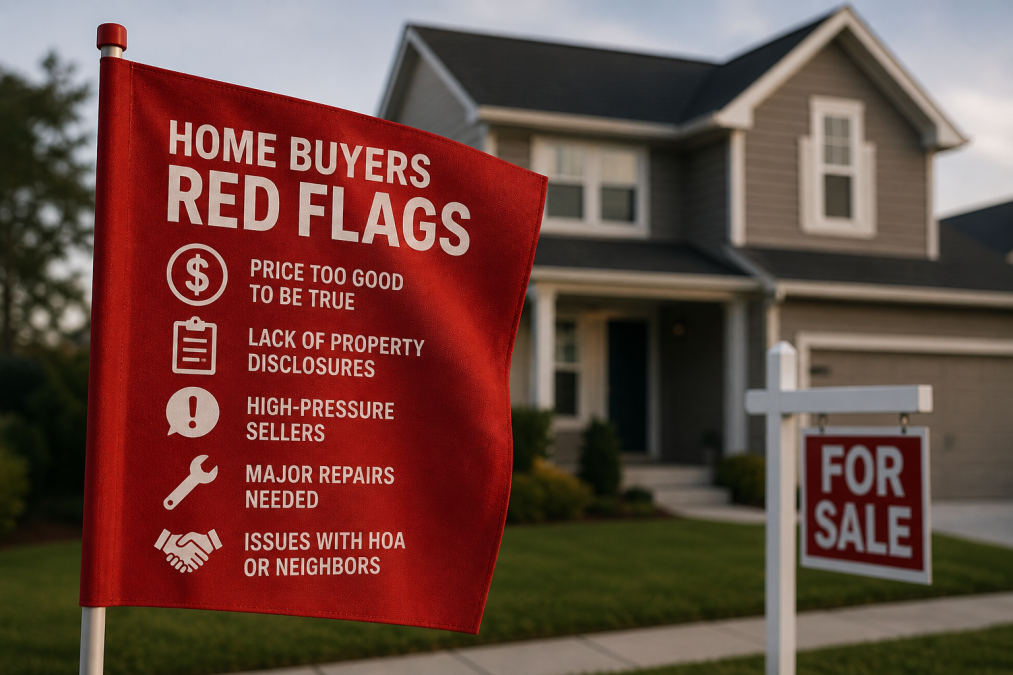
Buying a home is one of the most important financial decisions you’ll ever make, and understanding home inspection red flags is essential to protecting that investment. A professional inspection acts as your safeguard, revealing hidden problems that may not be visible during a showing. While every home has minor imperfections, certain home inspection red flags—like structural issues, water damage, or faulty systems—should raise immediate concern. Ignoring these warning signs can lead to expensive repairs, safety risks, and future regret. By identifying key home inspection red flags, buyers can make informed choices, negotiate effectively, and move forward with greater confidence.
Not every issue uncovered during an inspection is a deal-breaker, however. Some home inspection red flags can be addressed through repairs, price adjustments, or seller concessions. The key is understanding which problems are manageable and which signal deeper concerns. With the right guidance, buyers can distinguish between minor fixes and serious risks. A skilled inspector and real estate professional can help interpret findings, prioritize safety concerns, and estimate repair costs. This allows buyers to negotiate effectively without overreacting to cosmetic or routine maintenance issues. Ultimately, recognizing context is essential, ensuring you protect your investment while still moving forward when the property remains a strong long-term fit for most buyers in today’s competitive housing market with careful consideration overall always applied.

Why Home Inspections Matter
A home inspection provides a comprehensive evaluation of a property’s overall condition, uncovering issues that may not be visible during a typical showing. Identifying home inspection red flags early—such as structural damage, aging systems, or hidden water issues—can protect buyers from costly surprises after closing. These inspections give buyers the information they need to avoid unexpected repair expenses, negotiate more favorable terms, or even walk away from a risky investment. Not every issue is a dealbreaker, but understanding which home inspection red flags are serious and which are manageable is critical. This knowledge empowers buyers to make confident, informed decisions and ensures they are fully aware of the property’s true condition before finalizing the purchase.
1. Foundation Cracks and Structural Issues
Large cracks don’t always signal danger, but wide horizontal fractures, sloping or uneven floors, and doors or windows that stick or refuse to close properly may point to deeper structural concerns. These warning signs can indicate foundation movement or instability, making a professional inspection essential before moving forward with a home purchase.
Why It Matters:
Foundation repairs can cost thousands to tens of thousands of dollars. Structural instability can also make a home unsafe.
What to Do:
Hire a structural engineer for further evaluation before proceeding.
2. Roof Damage or Aging Roof
A roof approaching the end of its lifespan or displaying visible damage should raise serious concerns for home buyers. Warning signs such as water stains, sagging areas, curling or missing shingles, and past leak repairs may indicate costly future issues, potential structural damage, and immediate maintenance or replacement expenses.
Why It Matters:
Roof replacement is expensive and can cost $8,000–$20,000+ depending on size and materials.
What to Look For:
- Curling or missing shingles
- Sagging areas
- Water stains in attic or ceilings
3. Electrical System Problems
Old or malfunctioning electrical wiring can pose serious safety risks, including potential fire hazards and electrical failures. Beyond the danger, repairing or replacing outdated wiring can become an expensive project for homeowners. Buyers should always request inspections to ensure the electrical system meets current safety standards and functions properly.
Common Issues:
- Knob-and-tube wiring
- Aluminum wiring
- Overloaded electrical panels
Why It Matters:
These issues increase the risk of electrical fires and may not meet current safety codes.
4. Plumbing Issues and Water Damage
Leaks, inconsistent or low water pressure, and visible water damage often point to more serious underlying plumbing problems. These issues may signal hidden pipe deterioration, blockages, or faulty connections that require professional inspection and repair to prevent further structural damage, costly repairs, and potential long-term water-related complications in the home.
Warning Signs:
- Mold or mildew smells
- Stains on walls or ceilings
- Slow drainage
Why It Matters:
Water damage can lead to mold growth and structural deterioration.
5. Mold and Mildew
Mold is not simply an unattractive nuisance in your home; it can also create significant health concerns. When left untreated, it may trigger allergies, respiratory issues, and other complications. Its presence often indicates excess moisture, making early detection and proper removal essential for maintaining a safe and healthy living environment.
Why It Matters:
Certain types of mold can cause respiratory issues and require professional remediation.
What to Do:
Request mold testing if you suspect hidden growth.
6. HVAC System Failure or Inefficiency
Heating and cooling systems can be costly to repair or fully replace, often requiring significant investment when major components fail or efficiency declines, making maintenance and regular servicing essential to avoid unexpected expenses and ensure comfortable indoor temperatures year-round in homes and buildings for homeowners and property managers alike especially.
Red Flags:
- Old or poorly maintained systems
- Uneven heating or cooling
- Strange noises or odors
Why It Matters:
A new HVAC system can cost $5,000–$15,000+.
7. Pest Infestation
Termites, rodents, and other pests can cause significant damage to homes and structures. They often go unnoticed until problems become severe, leading to costly repairs and safety concerns. Regular inspections and preventive measures help reduce risks, protect property value, and ensure a healthier, safer living environment for homeowners year-round today.
Signs to Watch:
- Hollow wood
- Droppings
- Chewed wires or insulation
Why It Matters:
Structural damage from pests can be extensive and expensive to repair.
8. Poor Drainage and Grading
Water that collects around a building’s foundation can gradually weaken structural integrity. Over time, it seeps into materials, causes cracks, and leads to costly repairs. Proper drainage is essential to prevent erosion, moisture buildup, and long-term damage that compromises safety and stability of the entire structure. overall building performance significantly.
Why It Matters:
Improper drainage can cause foundation cracks, basement flooding, and mold.
Solution:
Look for proper grading and functional gutters/downspouts.
9. Unsafe or Outdated Materials
Older homes may contain hazardous materials such as asbestos insulation, lead-based paint, mold growth, outdated wiring, and deteriorating plumbing systems. These hidden dangers can pose serious health risks to occupants and may require professional inspection and remediation before renovations or occupancy to ensure safety and compliance with modern building standards.
Red Flags:
- Asbestos
- Lead-based paint
- Old insulation
Why It Matters:
These materials can pose health risks and require specialized removal.
10. DIY Repairs and Poor Workmanship
Temporary fixes and unskilled repairs often conceal deeper, more serious issues beneath the surface. What appears resolved may actually be masking structural, mechanical, or safety problems that worsen over time. Without proper inspection and professional attention, these hidden defects can lead to expensive damage and unexpected complications later on eventually.
Red Flags:
- Uneven finishes
- Exposed wiring
- Mismatched materials
Why It Matters:
Poor workmanship often leads to more expensive repairs down the road.
Should You Walk Away or Negotiate?
Not every home inspection red flag means you should abandon the deal. Many issues discovered during an inspection can be negotiated or repaired, allowing you to proceed with greater confidence. Understanding which problems are minor versus major, helps you make informed decisions and ensures you don’t walk away unnecessarily overall:
Request repairs before closing
Ask for seller credits
Adjust your offer price
These strategies can help offset the impact of certain home inspection red flags and make the purchase more manageable. However, multiple major issues—or even one very serious problem, such as structural damage or significant safety concerns—may justify walking away entirely. Understanding how to respond to home inspection red flags ensures you protect your investment and avoid costly mistakes.
| Factor | Without Inspection | With Inspection |
|---|---|---|
| Upfront Cost | $0 | $300–$600 |
| Repair Surprises | High | Low |
| Negotiation Power | None | Strong |
| Financial Risk | High | Low |
| Peace of Mind | Low | High |
Final Thoughts
A home inspection is your chance to fully understand a property’s true condition before making a final commitment. It can reveal critical home inspection red flags that aren’t visible during a walkthrough, giving you a clearer picture of what you’re really buying. While minor cosmetic issues are common and often manageable, serious concerns like structural damage, faulty electrical systems, or mold growth should never be overlooked. These home inspection red flags can lead to expensive repairs and potential safety risks if ignored. By staying informed, asking the right questions, and addressing concerns early, you can confidently protect your investment and ensure your future home is safe, stable, and truly worth every dollar you spend.
Frequently Asked Questions (FAQs) About Home Inspection Red Flags
1. What are home inspection red flags?
Home inspection red flags are issues identified during a professional inspection that may indicate safety concerns, costly repairs, or hidden property damage.
2. Do all home inspection red flags mean I should walk away?
No. Some issues are minor or cosmetic and can be repaired or negotiated with the seller, while others may require deeper evaluation.
3. What are the most serious red flags in a home inspection?
Major concerns include structural damage, foundation issues, roof failure, electrical hazards, plumbing leaks, and signs of mold or water intrusion.
4. Can I negotiate repairs after a home inspection?
Yes. Buyers often request repairs, price reductions, or closing credits based on inspection findings.
5. Should I always attend the home inspection?
It’s highly recommended, as it allows you to see issues firsthand and ask the inspector questions directly.
6. How do I know if an issue is minor or major?
Your inspector and real estate agent can help evaluate severity, cost, and long-term impact on the property.
Leave a Reply