


Understanding Polybutylene Pipes: A Comprehensive Guide for Florida Homeowners
In the realm of home plumbing systems, certain materials come with risk factors that homeowners should be well aware of. One such material is polybutylene piping, a type of plumbing system that gained popularity in the late 20th century. This guide aims to provide critical information about polybutylene pipes, particularly for homeowners in Florida, where moisture and heat can exacerbate plumbing issues.
What Are Polybutylene Pipes?
Polybutylene pipes, often referred to as PB pipes, are a type of plastic piping made from the polymer polybutylene. They were used predominantly in residential plumbing systems from the 1970s to the mid-1990s. Suppliers promoted these pipes as a flexible and cost-effective alternative to traditional copper and galvanized piping, often promoting their ease of installation and lightweight nature.
However, many homeowners have since learned that these advantages come with significant risks. The material of polybutylene pipes is prone to degradation over time, leading to leaks and failures that can cause extensive water damage.
Characteristics of Polybutylene Pipes
- Material Composition: Polybutylene is a type of plastic that can be easily molded and fitted into various shapes and sizes, making it a popular choice for plumbing.
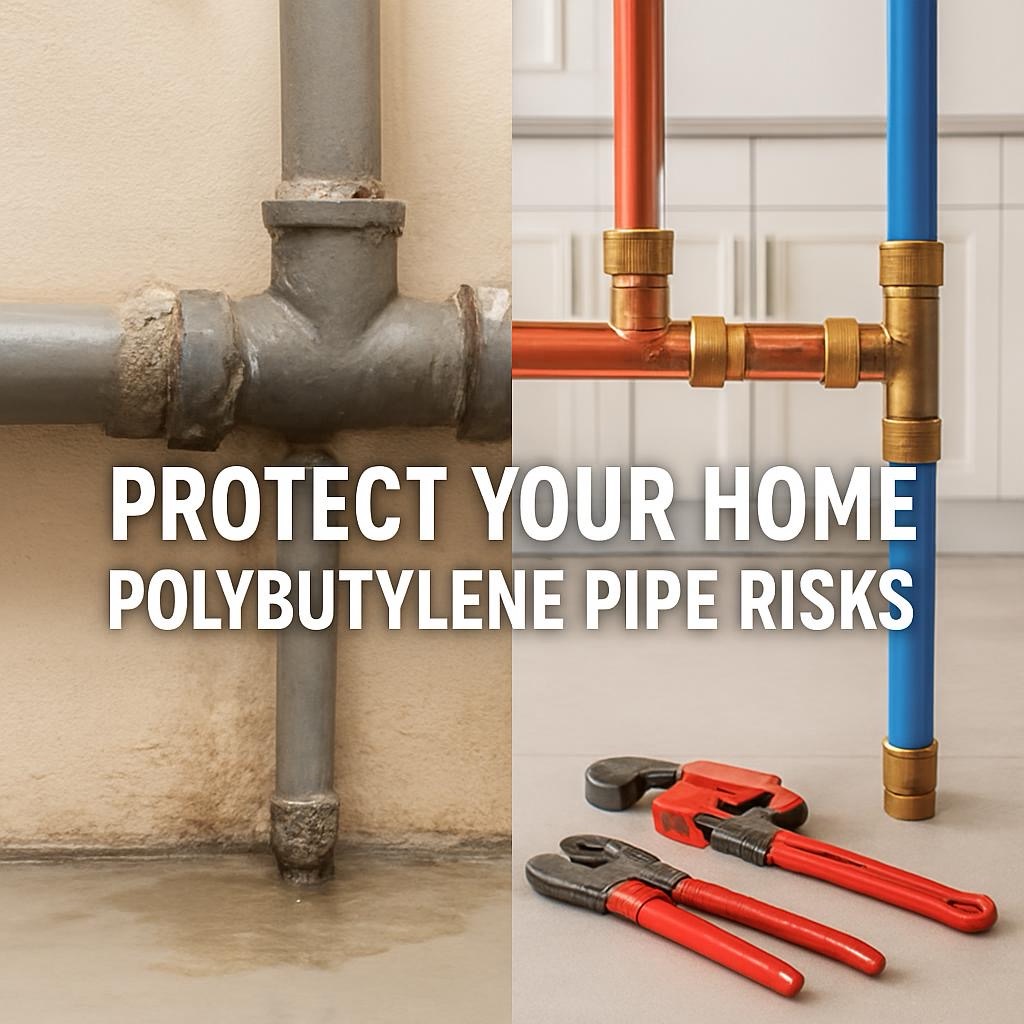
- Color and Appearance: PB pipes are typically gray or black and can be easily distinguished from other plumbing materials.
- Installation Methods: These pipes are usually connected using compression fittings, which can be less reliable than soldered connections used in copper plumbing.
The Risks of Polybutylene Pipes
Degradation Over Time
One of the most significant concerns with polybutylene pipes is their susceptibility to deterioration, especially when they come into contact with chlorine, a common chemical found in tap water. This reaction can lead to microscopic cracks in the pipe that worsen over time, increasing the risk of leaks.
Water Damage and Mold Growth
Leaks caused by failing polybutylene pipes can lead to extensive damage in homes, including:
- Structural Damage: Water can seep into walls and foundations, weakening the structural integrity of a home.
- Mold Growth: Damp environments create ideal conditions for mold growth, which can have serious health implications for residents.
- Increased Repair Costs: Homeowners may face substantial repair costs due to water damage, mold remediation, and replacing the plumbing system.
Insurance Complications
Many insurance providers view polybutylene pipes as a high-risk element in a home’s plumbing system. Homeowners may find it challenging to procure home insurance or may face higher premiums if their properties contain these pipes.
Common Signs of Plumbing Issues Related to Polybutylene Pipes
As a Florida homeowner, being vigilant for signs of plumbing issues can save you money and headaches in the long run. Look out for the following signs:
- Unexplained Water Puddles: Notice any unexplained water in your yard or basement? It could be a result of a leak.
- Wet Spots on Walls or Ceilings: If you notice wet spots, especially near joints and fittings, it may indicate a leak.
- Low Water Pressure: A significant drop in water pressure could be due to leaks or blockages caused by deteriorating pipes.
- Discolored Water: If your water looks cloudy or has a strange color, it might be a sign that your pipes are degrading.
- Frequent Pipe Bursts: If you experience frequent bursts or leaks, your polybutylene pipes may be reaching the end of their lifespan.
How to Identify Polybutylene Pipes in Your Home
If you’re unsure whether your home has polybutylene pipes, you can take steps to identify them:
- Visual Inspection: Check your plumbing, especially in areas like the basement, crawl space, or under sinks. Look for gray or black piping material.
- Check Fittings: Polybutylene pipes often have metal compression fittings. If you see these fittings, it’s a strong indication that your plumbing might be polybutylene.
- Consult a Professional: For an accurate identification, consider hiring a professional inspector or plumber who can confirm the material and assess its condition.
What Should Florida Homeowners Do If They Have Polybutylene Pipes?
Get a Professional Inspection
If you suspect you have polybutylene pipes, contact a qualified plumbing inspector for a thorough evaluation of your home’s plumbing system. Inspectors from companies like Colvin Inspections can help diagnose potential issues and provide guidance on next steps.
Consider Replacement
Given the risks associated with polybutylene pipes, many experts recommend replacing them entirely. While this can be a significant upfront investment, it ultimately saves homeowners from costly repairs and damage in the long run.
Here are some replacement options:
- Copper Pipes: Known for their durability and longevity, copper pipes are a tried-and-true solution for residential plumbing.
- Cross-Linked Polyethylene (PEX): PEX is a flexible plastic that is resistant to scale and chlorine, making it an excellent choice for modern plumbing.
- PVC Pipes: While primarily used for drainage, PVC pipes may also be used in some plumbing applications and can be a viable alternative.
Notify Your Insurance Provider
If you own a home with polybutylene pipes, it’s crucial to communicate with your insurance provider. Inform them of your pipes’ condition and ask for any recommendations on how to mitigate your risk. Consider private coverage options if necessary.
Legal Considerations
Homeowners with polybutylene pipes might face potential legal action or claims, particularly if their homes experience significant damage due to burst pipes. Understanding your rights and options can help protect your investment.
Class Action Lawsuits
Many homeowners have participated in class-action lawsuits related to polybutylene piping failures. This legal avenue may provide financial compensation for damages caused by these pipes. Homeowners should consult with an attorney familiar with real estate and construction law for guidance.
Helpful Resources and Backlinks
To further educate yourself on plumbing and polybutylene piping, consider these valuable resources:
- Colvin Inspections: Learn more about how our inspection services can help identify plumbing issues in your home.
- U.S. Environmental Protection Agency (EPA): Explore further information on plumbing materials and safe water in your home.
- National Association of Home Inspectors (NAHI): A guide to hiring qualified home inspectors and understanding home inspections.
- American Society of Home Inspectors (ASHI): Check this site to find a qualified inspector and learn more about home inspection standards.
- Florida Department of Health: Find resources related to health risks originating from plumbing and water quality.
Conclusion
Polybutylene pipes present significant challenges for homeowners, particularly in Florida where climate conditions can exacerbate plumbing issues. Understanding the material, identifying signs of problems, and knowing the steps for remediation are essential for safeguarding your home.
As a Florida homeowner, be proactive in learning about your plumbing systems, and if you suspect you have issues with polybutylene pipes, contact a professional inspector from Colvin Inspections to mitigate risks effectively. Investing in your home’s plumbing today can save you considerable costs and headaches tomorrow.
Stay informed and prioritize the safety and integrity of your home plumbing system for a secure future.
Leave a Reply